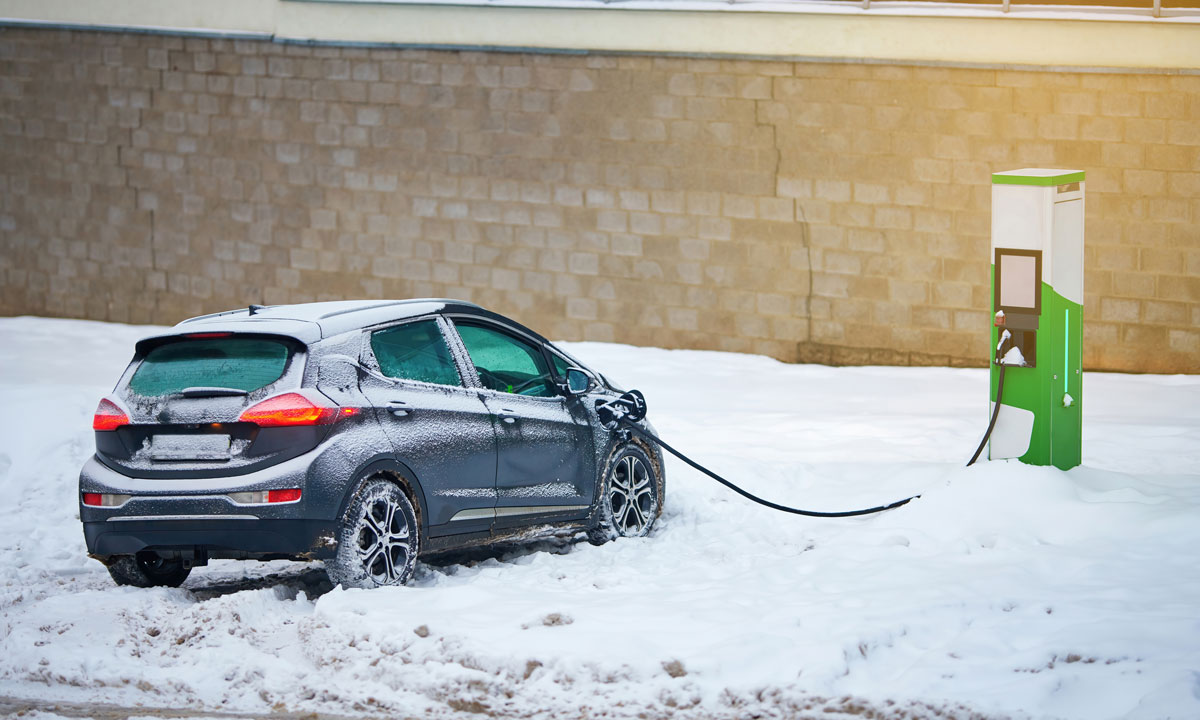
As British Columbia prepares to table its 2026 budget, the New Car Dealers Association of BC (NCDA) is calling for clearer policy signals on affordability, electric-vehicle targets and charging infrastructure.
In a statement released Feb. 10, the Langley-based association said the province’s move to align its zero-emission vehicle (ZEV) framework with recent federal changes is a positive step, but Budget 2026 must spell out how those changes will work in practice. Legislation is expected this spring, alongside a shift away from new provincial purchase rebates and toward infrastructure investment
“As the Prime Minister emphasized last week, investment in EV charging infrastructure is critical to addressing consumer range anxiety and making EV charging as routine as refuelling a conventional vehicle,” said Blair Qualey, president and CEO of the NCDA, in a statement.
As a reminder, the NCDA represents more than 400 dealers and notes the retail auto sector contributes nearly $17 billion to the provincial economy and supports about 30,000 jobs. It argues that predictable policy is essential as vehicle prices and interest rates continue to pressure consumers.
With the province signalling a renewed focus on expanding charging infrastructure, the NCDA said it will be looking for a meaningful and sustained commitment in Budget 2026, as charging networks will play a critical role in supporting EV adoption across urban, suburban, and rural communities. The association underlined that additional policy decisions should also reflect current market conditions, affordability realities, and the practical needs of British Columbians.
Furthermore, they are urging the province to revisit B.C.’s $55,000 luxury vehicle tax threshold. With the average new-vehicle price now above $66,000, many family-oriented SUVs and pickup trucks are captured by the tax. “This tax has effectively become a vehicle purchase tax on working families,” said Qualey.
The NCDA is also seeking expanded funding for automotive and EV technician training to address a projected shortfall of 20,000 workers over the next decade.