The Canadian used-vehicle market is showing fresh signs of weakness heading into the final stretch of 2025, according to Canadian Black Book’s Residual Value Newsletter for November 2025. Softer wholesale prices, slower new-vehicle sales, and lingering trade uncertainty are tempering dealer optimism despite steady overall retail activity.
The Bank of Canada’s rate cut to 2.25 per cent in October has provided only limited relief. Inflation climbed to 2.4 per cent in September, up from 1.9 per cent a month earlier, driven by higher food and fuel prices. Meanwhile, Statistics Canada reported a 1.6 per cent annualized GDP decline in the second quarter, as tariffs from the U.S. continue to weigh on economic growth.
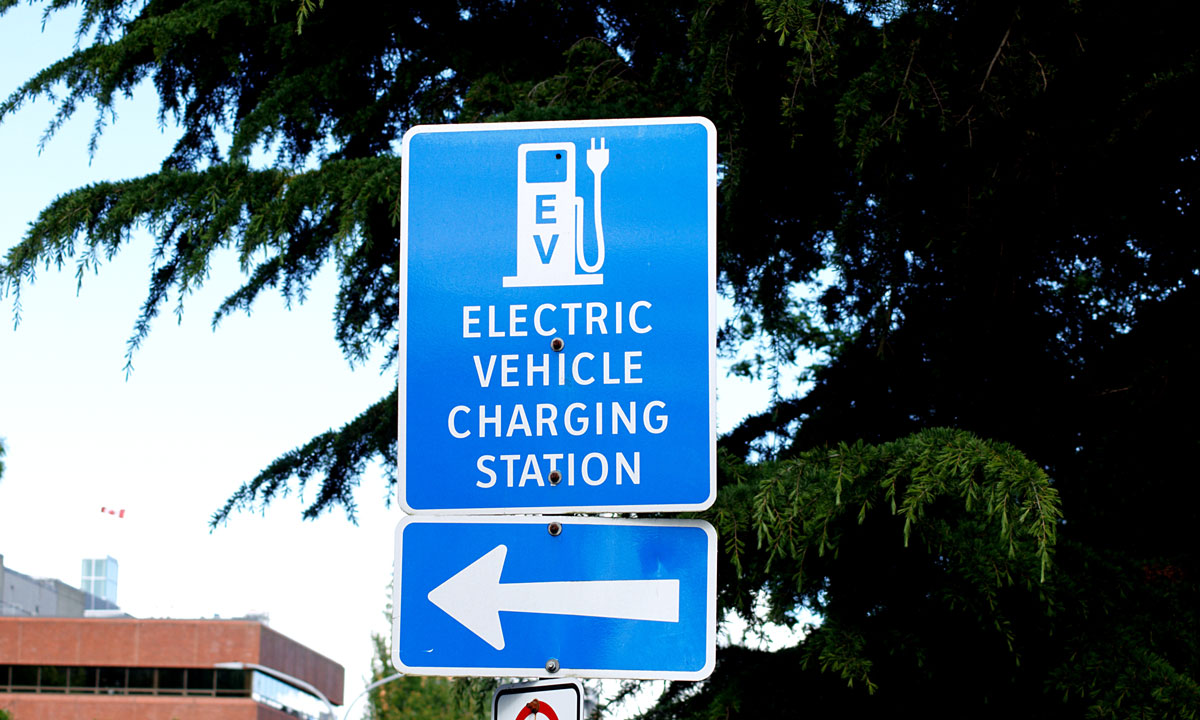
Adding to the headwinds, Ottawa confirmed that the federal iZEV rebate will not return, clouding consumer sentiment in the electric-vehicle segment. The unemployment rate held steady at 7.1 per cent, while negotiations with the U.S. on tariff limits remain stalled.
Wholesale and retail indicators
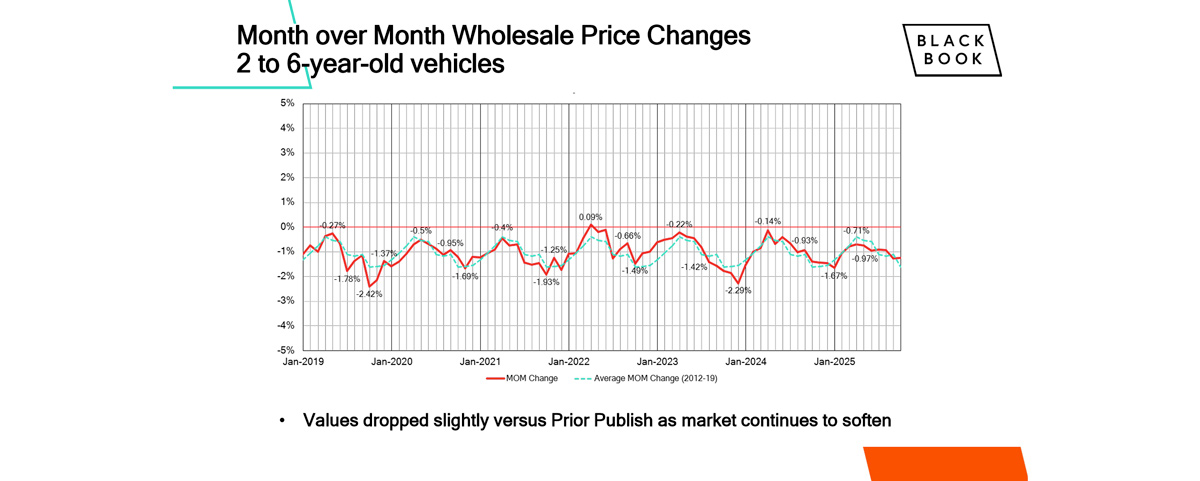
Wholesale prices for two- to six-year-old vehicles fell slightly month over month, continuing a softening trend observed throughout 2025. Lease penetration for 2025 remains unchanged as consumers continue to seek lower monthly payments amid tighter household budgets.
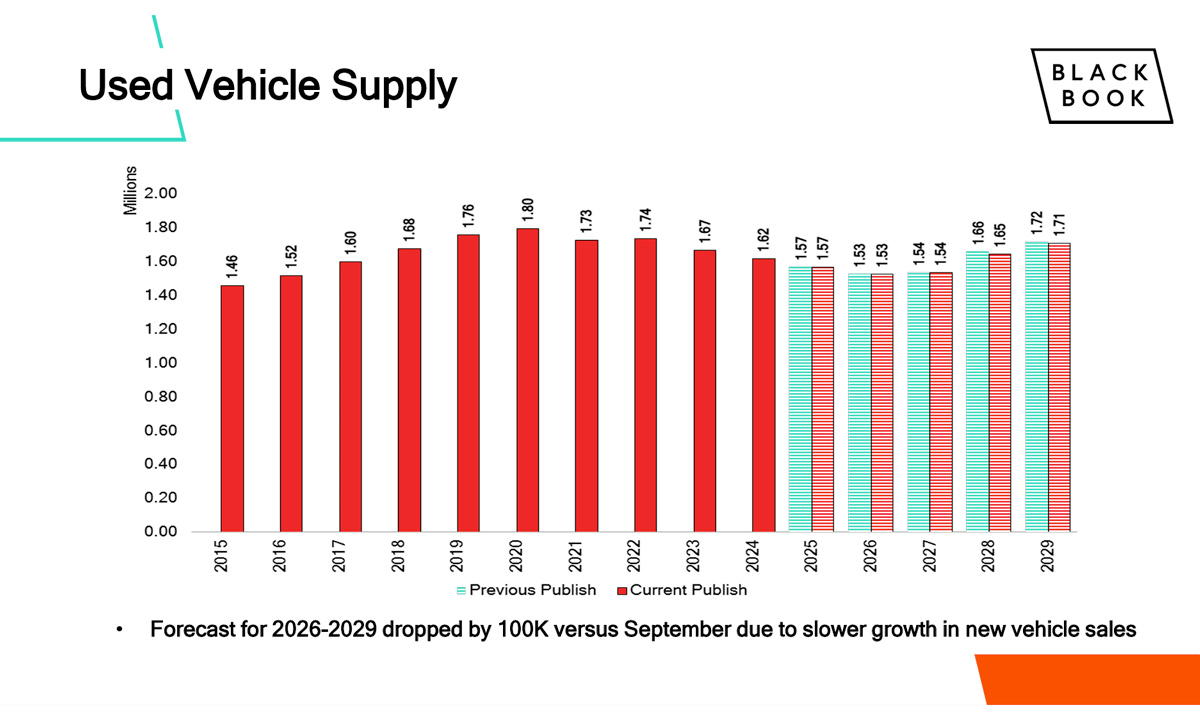
New-vehicle sales projections remain flat at 1.8 million units for the year, with no change from prior forecasts. The slower pace of new sales has also trimmed used-vehicle supply expectations for 2026-2029 by roughly 100,000 units compared to September.
Residual value outlook
Average retention values for four-year-old vehicles slipped slightly in 2025 and are expected to trend downward through 2029. After peaking near 70 per cent in 2023, retention rates have declined steadily, reflecting normalized post-pandemic market conditions and weaker consumer demand.
Impact on dealers
For dealers, the latest data signals continued normalization in both used and new segments. Retailers may face tighter margins as wholesale values ease and lease customers remain payment-sensitive. The absence of renewed EV incentives is also likely to slow electric model turnover, particularly in mid-market dealerships.
Still, steady employment and gradual rate relief could support used-car demand heading into 2026, offering cautious optimism for retailers prepared to adjust inventory strategies and pricing.