LIGHT AND STRONG, YOU CAN EXPECT MORE ALUMINUM VEHICLES TO JOIN THE POPULAR FORD F-150. BUT ARE BODY SHOPS READY TO REPAIR THEM?
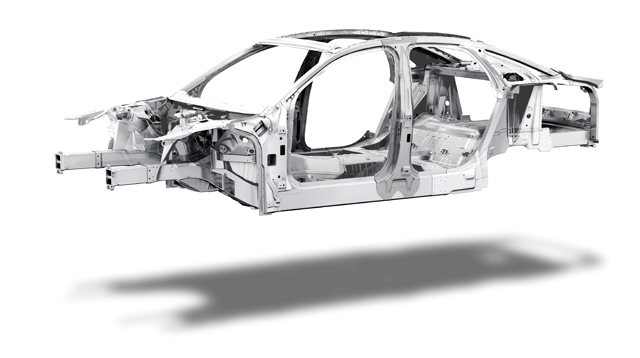
When Ford introduced its 2015 Ford F-150 featuring lightweight aluminum alloy it caused quite a stir in the industry. It was the first major high volume mass market vehicle to make the switch.
Using aluminum for vehicle body panels is not new. Some mid-eighties Volvo 740 wagons had both hood and tailgate made out of this material. The Ford F-150 has featured an aluminum hood since the mid-nineties. Audi has been using aluminum for more than a decade for some of its high-end models.
The growing use of aluminum however, does create challenges for dealerships that need to repair them — Ford or otherwise.
Now that Ford has introduced aluminum on such a high volume model, we can expect this material will be used more extensively by other manufacturers. Even Jeep was considering moving to aluminum for its popular Wrangler.
Selling aluminum vehicles won’t be a problem. The challenge for dealerships could surface once the customer comes back with dents or dings, or worse — a mangled vehicle.
NEW SKILLS AND TOOLS
Repairing aluminum is not tricky, but it requires different skill sets and a proper management of the repair area, including tools dedicated strictly to the repair of this material.
“You need two shops in one, be it two separate buildings or an isolated area in your current shop to ensure there is no contamination,” explains Robert Favreau, Project Manager, Quality Control and Training for CarrXpert.
“Steel contaminates aluminum, and steel dust from grinding or sanding can cause serious issues. Most shops are aware of this, but the arrival of a mass market vehicle like the 2015 F-150 means aluminum repair demands will rise — and your body shop needs to be ready.”
Ford Motor Company has been actively preparing its dealer network to deal with this new way of doing things.
“The majority of 2015 F-150 collision repairs can be completed by most body shops today (such as bumpers, grilles, mirrors, dings, dents),” says Rose Pao, Assistant Communications Manager for Ford of Canada. “Major collision repairs should be performed by aluminum-capable Ford body shops or National Body Shop Network members (dealers and independents),” she says.
SPECIAL COURSES AVAILABLE
Ford has partnered with I-CAR to deliver two courses to support the 2015 F-150 collision repair program: the 2015 Ford F-150 Structural Repair Training and Welding Training & Certification: Ford Aluminum GMA (MIG) Welding.
But changes at the dealership level start before a technician ever turns a wrench.
“Repair techniques are very different between aluminum and steel-bodied vehicles,” says CarrXpert’s Favreau. “This means your service managers need to know what is involved to be able to properly quote for the job.”
A manufacturer’s repair guidelines are very specific, and repair technicians needs to know exactly what is involved for each panel. Some of the panels are welded at the factory, but need to be glued and riveted for a repair.
“You also need to take into account the fact aluminum needs to be heated to be worked on, which has an impact on work time, and depending on the paint-prep system chosen for your shop, you may need an aluminum-specific cleaner or etcher before applying any primer on a panel,” he says.
You also need to use a special dye on some panels to see if aluminum has cracked or can be worked back into shape.
These are all easy to learn aspects and, as Favreau says, the information is out there. But any of these aspects can all lead to costly mistakes if not taken into account when quoting a specific job.
That doesn’t mean aluminum repairs need to take longer, though.
“There are also lots of benefits with this type of construction,” says Favreau. “Steel-bodied vehicles involve a lot of welding, which means you need to remove everything around the part you are welding. Installing a part with rivets and special adhesives means the technician does not need to remove all the fragile parts around the repair area, like interior plastic pieces, gaskets and move wiring, so there is also time saved there. It is just a very different way to work and the whole team needs to know what is involved.”
SEPARATE ROOM NEEDED
Jeff Pabst, General Manager of Pfaff Autoworks, says that, “knowledge is key when it comes to working on vehicles incorporating aluminum components.”
Pfaff Autoworks, a body shop part of the Pfaff Automotive Partners group in Vaughan, Ont., has been working on vehicles incorporating aluminum for many years, working specially on Audi, BMW and Porsche.
“We do our aluminum repairs in an entirely separate room,” says Pabst. “As aluminum dust is dangerous, this room is equipped with special fumes and dust extractors and our technicians wear a specific filtered helmet providing fresh air.”
For Pfaff Autoworks, the key to success was in getting ready before any vehicle shows up.
“We invest heavily in training and equipment,” says Pabst, “sending our technicians to a two-week Audi training session which includes a full week dedicated to aluminum welding. Training is a huge part of getting ready as repair procedures are very different.”
Audi, for example, has some models mostly made of aluminum while other models only have a few components made out of it, like aluminum strut towers bonded to a steel frame.
“It can get tricky especially when you are doing structural work. In our case, Audi vehicles necessitate welding, bonding and special rivets, while BMW and Porsche vehicles will rely mostly on rivets and bonding,” he says.
Some McLaren vehicles are different altogether, requiring special bonding techniques for the frame.
“It is important more than ever to know exactly how to repair and follow manufacturer procedures to ensure the integrity of the repair and of the whole vehicle.”
Whether you are a Ford dealer or representing another brand, it is important to keep aluminum repair on your radar.
It is only a matter of time before we see at least a few aluminum panels on every vehicle.

GEAR UP FOR ALUMINUMHere is a short list of the basic equipment needed to be able to repair aluminum-intensive vehicles:
|