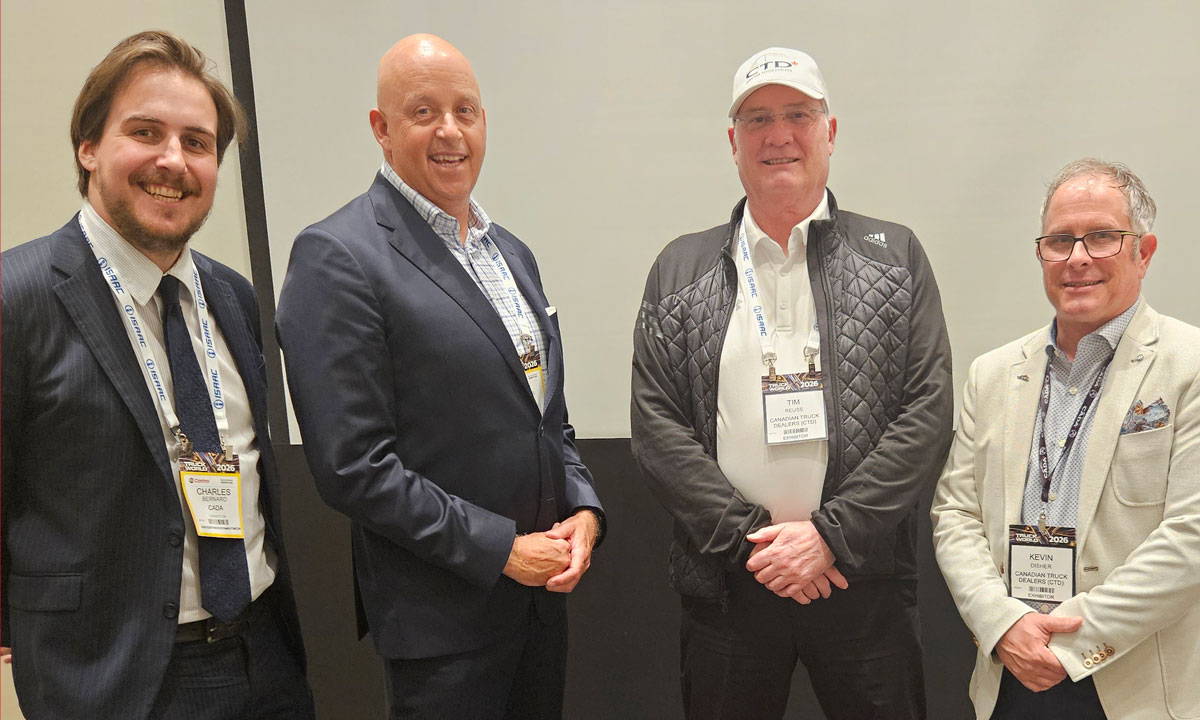
Charles Bernard, Huw Williams, Tim Reuss, and Kevin Disher
The Canadian Automobile Dealers Association used Truck World 2026 to formally introduce its new division aimed at representing heavy- and medium-duty truck dealers, marking a shift in how the association engages with the commercial vehicle sector.
Branded as Canadian Truck Dealers (CTD), the initiative is not a standalone organization but a division within CADA, designed to bring truck dealers into the association’s existing federation structure while addressing issues specific to the segment.
CADA leadership, including President and CEO Tim Reuss and CADA’s newly appointed Executive Director of Trucks, Kevin Disher, met with dealers and manufacturers throughout the April 16-18 event to outline the approach and gather input, including small-group presentations and dealer sessions focused on priorities and structure.
Disher said the new division is focused on representing truck dealers at the national level, particularly on regulatory and policy issues that differ from the light-duty automotive sector.
“Our first priority is the dealers, not the second or the third,” said Disher. “This is dealers only. This is for your association. We work for you.”
He said the division is intended to advocate on behalf of dealers while supporting their relationships with manufacturers. “We don’t work for your manufacturers, although we want to help your relationship with them. The position for us is to be the trusted voice of the commercial truck dealers.”
Disher also pointed to the need for stronger coordination on government relations.
“We know there’s many issues and they kind of get lost in translation. We definitely need to be that support system and help you through the differences. Our mission is to serve and represent truck dealers throughout the country,” he said.
Early discussions with dealers at the show focused on key advocacy files, including trade, emissions, Right to Repair and workforce challenges, where participants indicated a need for more consistent national representation.
A dealer-led committee has been established to help guide priorities for the division, reflecting what CADA described as a structure built around dealer input. Disher said alignment with provincial associations will also be critical. “We definitely want to be a partner with the associations that are out there now. We’re not there in competition. We’re here for the dealers.”
Reuss said the new approach reflects lessons from earlier attempts to represent truck dealers nationally, which operated outside the provincial association structure. “What we’re now doing is fully anchored within CADA and with the provincial associations the same way it is for car dealers,” he said.
That integration is expected to give truck dealers access to CADA’s broader advocacy resources and member services, while enabling more targeted research and data for the commercial vehicle sector.
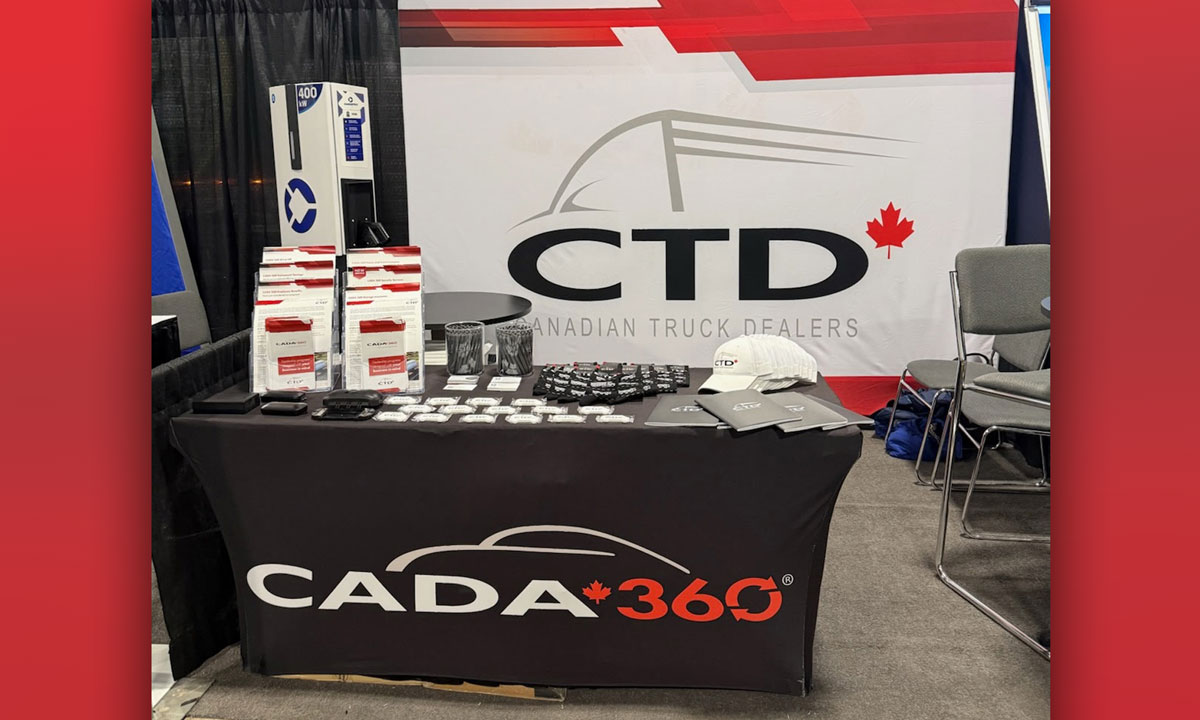
CADA 360 also exhibited at the event, offering information about the wide range of member services they can provide truck dealers, including employee benefits programs, garage insurance and other related products.
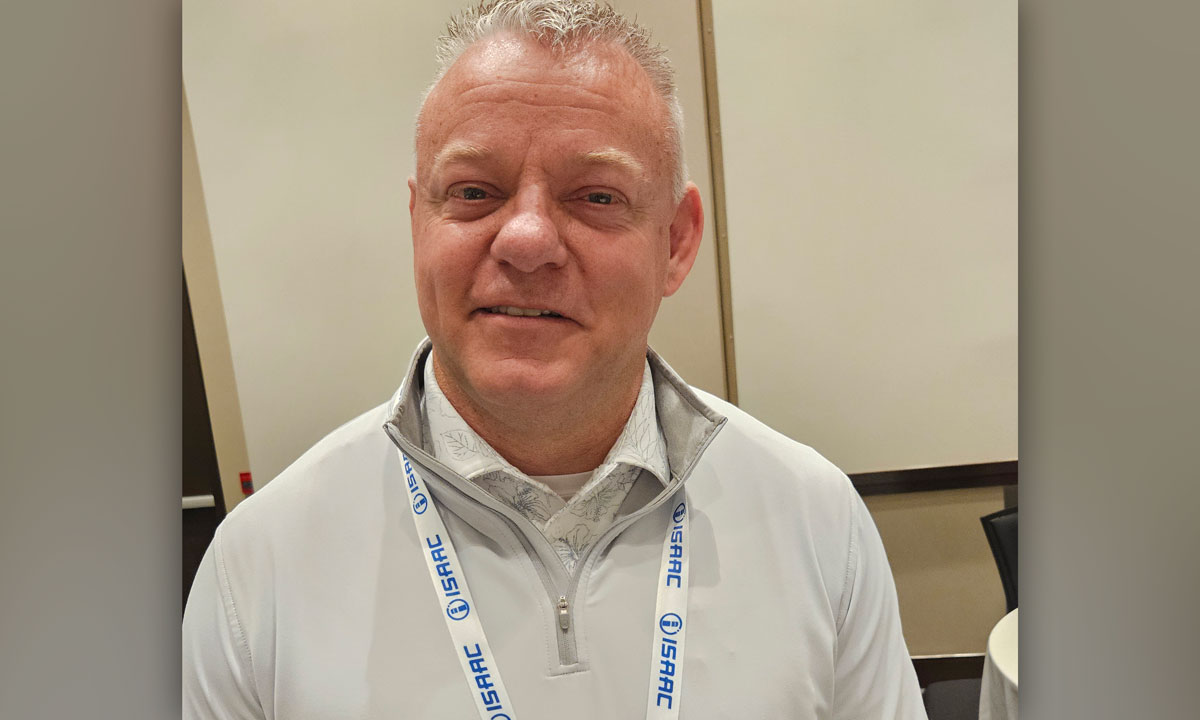
Ryan Hadley
Dealer response at the show pointed to interest in a more formal national voice. Truck dealer Ryan Hadley of Premier Auto Group said stronger representation could help dealers better navigate policy and regulatory changes.
“To have someone lobbying on our behalf with the government to help them understand our needs and our customers’ needs is important,” said Hadley.
CADA says it will continue working with dealers and provincial associations to refine priorities as the CTD division moves from its introduction phase into ongoing operations.